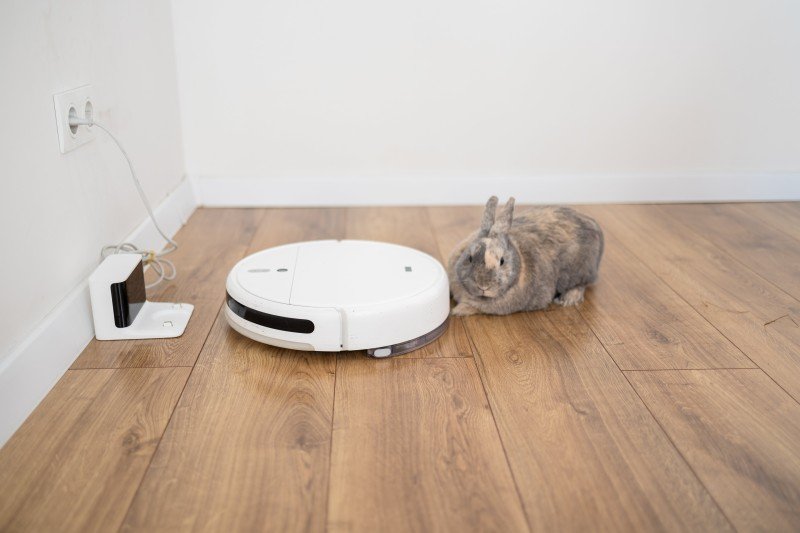
Robotic Vacuum Cleaner Comparison: The Future of Home Cleaning
In the last few years, robotic vacuum cleaners have transformed the way we maintain cleanliness in our homes. With developments in innovation and the incorporation of synthetic intelligence, these devices have actually progressed from mere novelty products to essential household devices. karlhawf.top offers a thorough comparison of some of the leading robotic vacuum cleaners on the marketplace, assisting consumers make informed choices when choosing a design that suits their needs.
Comprehending Robotic Vacuum Cleaners
Robotic vacuum are autonomous makers created to tidy floorings automatically. Geared up with sensors, they navigate around challenges and adjust their cleaning paths for maximum performance. The crucial features that distinguish various designs consist of suction power, battery life, app connection, navigation innovation, and price.
Secret Features to Consider
When comparing robotic vacuum, possible buyers must take into account the following aspects:
- Suction Power: Measured in Pascals (Pa), suction power determines the effectiveness of getting dirt and particles.
- Battery Life: The length of time a vacuum can run before needing a recharge significantly affects its cleaning efficiency.
- Navigation Technology: Models may use basic random navigation or advanced mapping technologies (like LIDAR) that allow them to create a map of the home.
- Smart Features: Connectivity to smartphone apps or smart home systems can improve functionality and control.
- Filter Type: HEPA filters are recommended for allergy sufferers, as they trap irritants and enhance air quality.
Comparison of Top Robotic Vacuum Cleaners
Below is a comparison table of a few of the very best robotic vacuum cleaners readily available in 2023:
| Model | Suction Power (Pa) | Battery Life (min) | Navigation Technology | Smart Features | Price (GBP) |
|---|---|---|---|---|---|
| iRobot Roomba i7+ | 1700 | 75 | Smart mapping | App control, voice command | ₤ 949 |
| Roborock S7 | 2500 | 180 | LIDAR | App control, multi-floor | ₤ 649 |
| Neato D7 | 2000 | 120 | LIDAR | App control, zone cleaning | ₤ 599 |
| Ecovacs Deebot T10 | 3000 | 150 | Smart mapping | App control, room detection | ₤ 799 |
| Shark IQ Robot | 1200 | 90 | Random | App control, self-emptying | ₤ 399 |
Description of the Table
- iRobot Roomba i7+: Known for its robust cleaning capability, it includes smart mapping technology that enables it to designate particular locations for cleaning. Its self-emptying function is a plus for benefit.
- Roborock S7: This model masters suction power and battery life, making it ideal for bigger homes. Its LIDAR innovation assists create an efficient cleaning path, and it can vacuum and mop concurrently.
- Neato D7: The D-shape design enables better corner cleaning, and it includes strong suction power. Its LIDAR navigation enables it to map out cleaning locations properly.
- Ecovacs Deebot T10: Boasting the highest suction power and advanced navigation, this design can manage numerous floorings efficiently. It's a flexible option for homes with varying floor types.
- Shark IQ Robot: An economical choice that still provides smart features. Its self-emptying ability and app integration make it a practical option for those trying to find a strong cleaning buddy without breaking the bank.
Advantages of Robotic Vacuum Cleaners
Robotic vacuum offer various benefits that add to their rising popularity amongst consumers:
- Time-Saving: Automated cleaning permits users to maximize valuable time that can be invested in other activities.
- Convenience: Many models can be scheduled via apps to clean at particular times, decreasing manual effort.
- Availability: They can reach under furniture and in tight areas where conventional vacuums may have a hard time.
- Daily Maintenance: Regular use of robotic vacuums can help preserve a consistently clean environment, promoting much better total home health.
Frequently Asked Questions About Robotic Vacuum Cleaners
1. How often should I run my robotic vacuum?
It is suggested to run the robotic vacuum at least 2-3 times a week to maintain tidiness, though daily usage can be helpful, particularly in homes with animals or high foot traffic.
2. Do robotic vacuums deal with carpets?
Yes, numerous robotic vacuums are designed to deal with carpets, however effectiveness might vary based upon the model's suction power and brush type. Search for models specifically pointed out as reliable for carpets.
3. Can robotic vacuums tidy pet hair?
The majority of robotic vacuums can efficiently get pet hair, however those with strong suction and tangle-free brush designs are particularly appropriate for this task.
4. How do I preserve my robotic vacuum?
Regular maintenance includes cleaning the brushes and sensing units, emptying the dustbin, and sometimes changing filters to ensure optimal efficiency.
5. Are robotic vacuums worth the investment?
While they tend to be more pricey than traditional vacuums, the benefit, performance, and time-saving aspects make them a worthy financial investment for lots of families.
The market for robotic vacuum continues to broaden as innovation evolves, offering customers a variety of alternatives to match different cleaning requirements and budget plans. By thoroughly considering functions such as suction power, battery life, and smart capabilities, users can select a model that aligns with their way of life. Whether for benefit, ease of usage, or superior cleaning efficiency, robotic vacuums are unquestionably improving the future of home cleaning.